
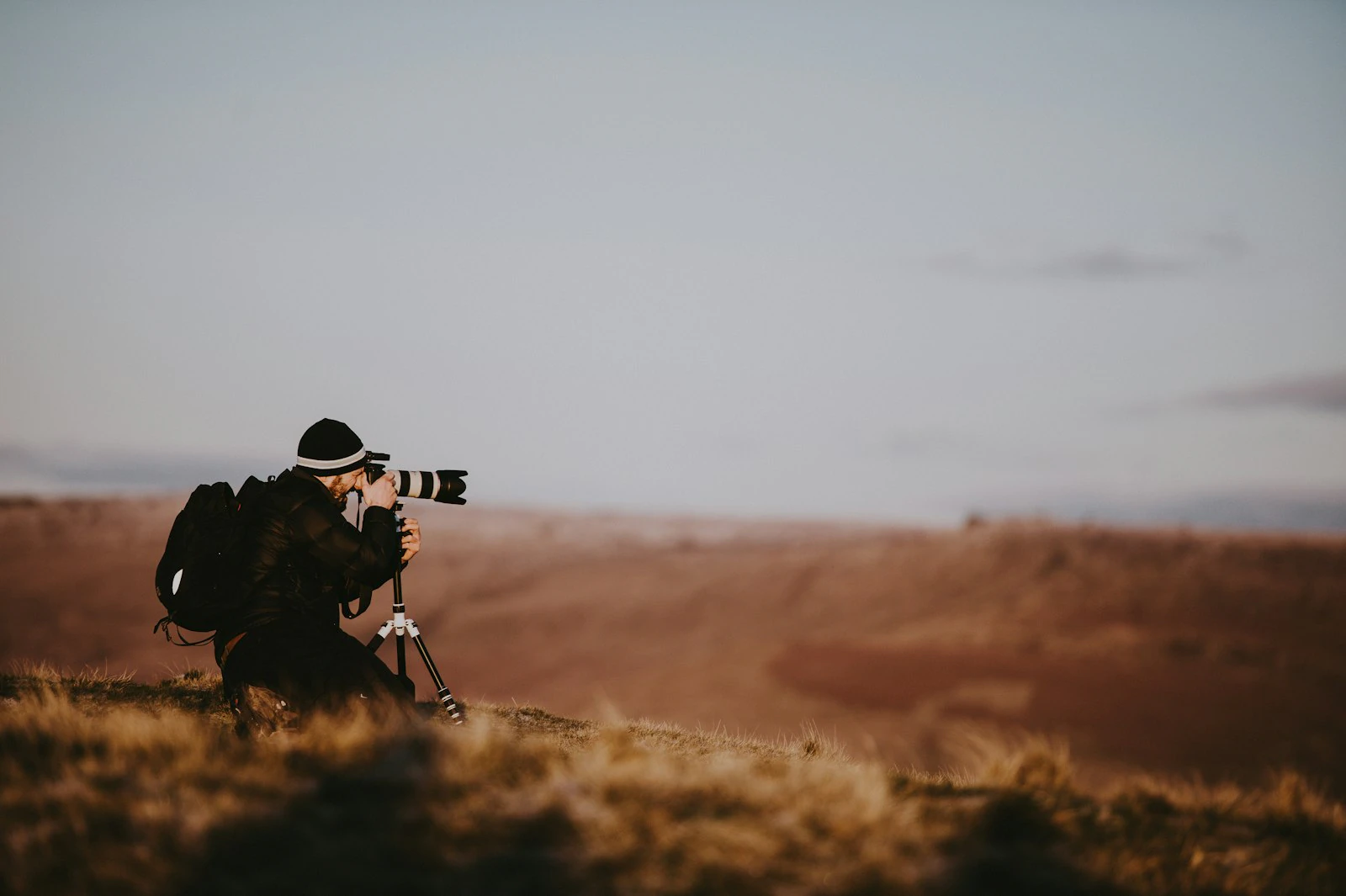
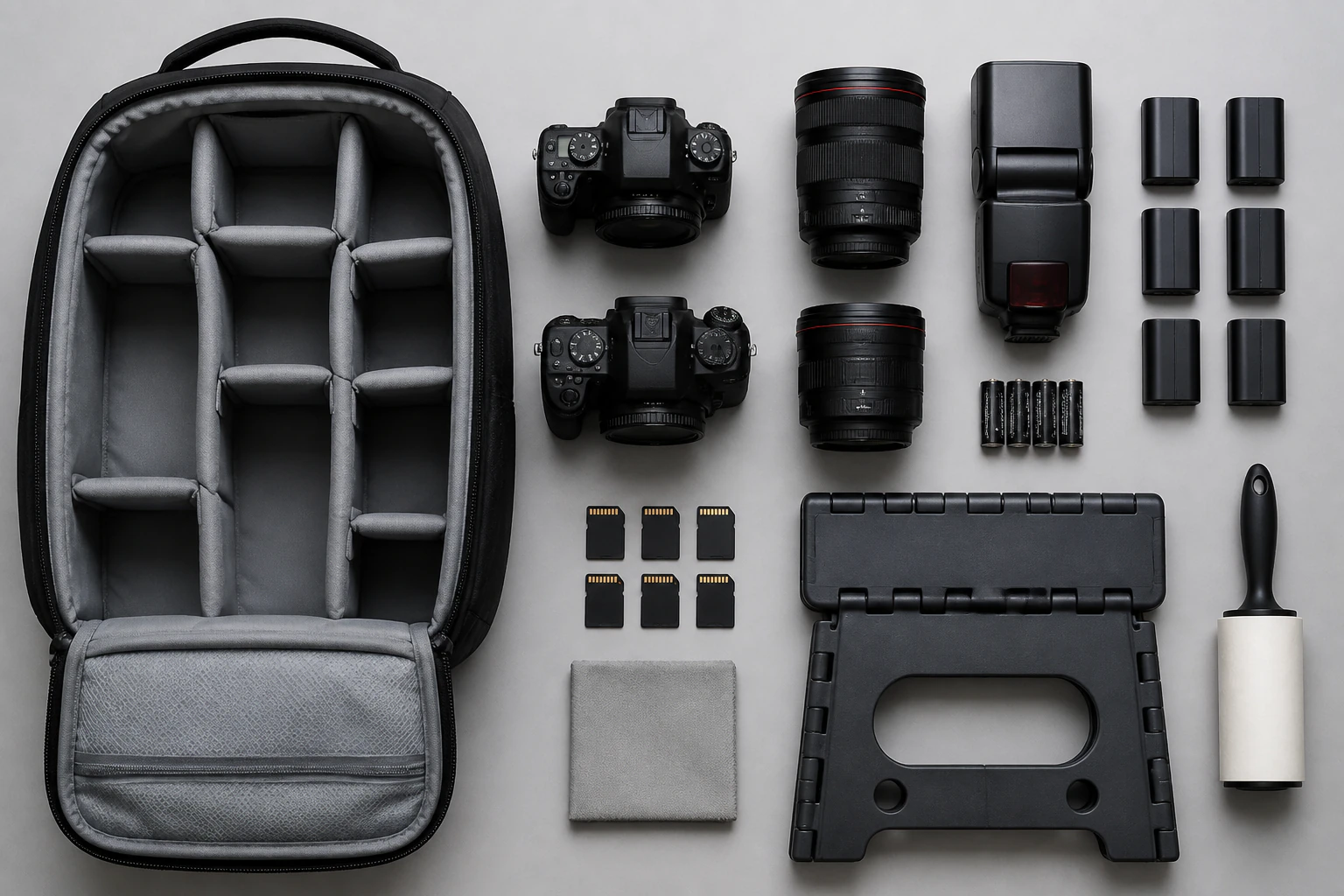
Shoots fall apart in the gaps, almost never on the camera.
A dead battery with no spare in the bag, a client who turned up in a logo tee, a park that needed a permit nobody checked: that's what actually sinks a shoot, not your f-stop. So a real photoshoot checklist isn't one list, it's four running at once. The gear you pack and back up. The logistics you lock before the day (booking, deposit, contract, a confirmed time). The client you prep so they show up ready. And the handoff after, backing up the files and getting the gallery out. Miss any one of the four and the other three can't save you. Below is the whole thing, in the order you actually need it, for a solo or small-studio shooter running paid sessions.
Gear, doubled
Camera, lenses, cards, batteries, light. Every mission-critical piece has a backup, because the one time it dies is the one time you didn't bring two.
Logistics, locked
Date, time, and location confirmed. Deposit taken, contract signed, arrival details sent. The paperwork that stops a no-show is its own line on the list.
Client, prepped
Wardrobe guidance, what to bring, when to eat and sleep. A client who knows what's coming relaxes faster, and relaxed people photograph better.
Handoff, clean
Files backed up in more than one place before you sleep, then culled, edited, and delivered on a timeline the client already knows about.
Pack it the night before, and pack it twice.
Two camera bodies isn't paranoia, it's the difference between an awkward pause and a refunded session. Build the bag around what this specific shoot needs, not everything you own.
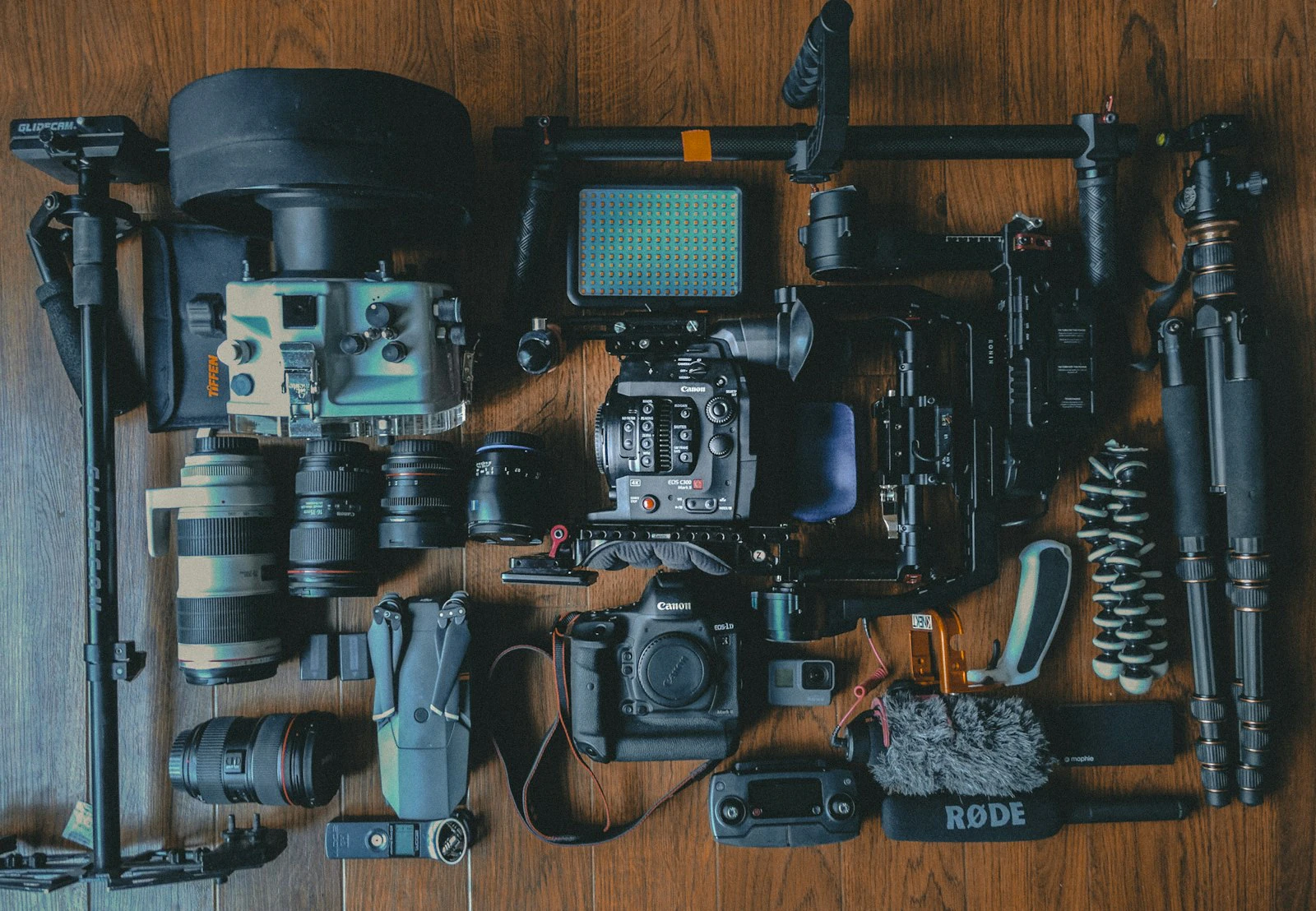
- Two camera bodies. The backup doesn't have to match your main; it has to work. A shutter that fails mid-wedding with no second body is the fastest way to owe someone their money back.
- Lenses for the job. A fast prime for portraits (an 85mm or 50mm at f/1.8 to f/2), a 35mm for tighter spaces, a 24-70mm zoom when you can't move your feet. Don't haul the whole kit; carry what the session actually calls for.
- More batteries and cards than you think. Fully charged spares, and memory cards formatted the night before, not fished out of another bag half-full. Cold days drain batteries faster, so double the count in winter.
- Light and the stuff that holds it. Reflector at minimum; a flash or strobe with stands, batteries, and cables if the shoot needs it. Test the lighting at home, not in front of the client.
- Lens cloth, blower, and a rocket of patience for smudges. A single fingerprint on the front element softens every frame until you notice it.
- The comfort and repair kit. Step stool for group angles, lint roller for pet hair, tissues, safety pins, hair ties, a small mirror, water, snacks, and bug spray for anything outdoors. Cheap items that save otherwise-ruined frames.
Two is one and one is none. On a paid shoot, every piece that can end the session has a backup or it doesn't belong in the plan.
The half of the checklist that isn't in the camera bag.
A packed bag means nothing if the client doesn't show, forgot the time, or thought a friend was covering the bill. The logistics are where sessions quietly die, and they die days before you'd ever pick up a camera. So before the shoot exists as a date on your calendar, it should already have a signed contract, a deposit against the total, and a confirmed time and place both of you agreed to in writing.
Deposits do the heavy lifting here. Someone who has put money down rarely ghosts, and if they do, you're not out the whole day for free. The same goes for reminders: a confirmation a few days out, then a nudge the day before with the address, parking notes, and what to bring, cuts no-shows more than any amount of goodwill does. Chasing all of that by hand through texts and email threads is the part most solo shooters let slide, and it's exactly the part that costs you.
This is the seam where the tool you run the business on earns its keep. PicurPhoto is built around this specific problem for solo and small-studio photographers: a booking page where clients self-book from your real availability, pay a deposit or the full amount through your own connected Stripe account (so payouts and refunds stay entirely yours, not routed through a middleman), and get automated email and SMS reminders without you lifting a finger. Its Free Forever plan runs up to 10 galleries at no monthly cost, single user, with a 1GB storage cap, and because PicurPhoto is a flat subscription it never takes a cut of your bookings: no commission and no per-transaction fee, ever. When you need more, the $9-a-month Basic plan lifts you to unlimited galleries and 5GB, and the $19-a-month Pro plan puts the booking page on your own custom domain, white-labels it so your name replaces PicurPhoto's, and pushes the limits higher still. Worth knowing it's a newer platform without the years of feature depth some incumbents have, so if you already run a full studio CRM you're happy with, that's a real reason to stay put. But if the logistics half of this checklist is what keeps slipping, that's precisely the gap it closes.
The list you hand them, a week ahead.
Half of a smooth shoot is a client who arrives ready. Send this a few days out so nobody's scrambling the morning of, or improvising an outfit in the car.
- Pick the hero outfit first. Choose the one look that has to land, then build the rest around its vibe. Two or three outfits with different energy is plenty unless you've agreed on a single look.
- Solids and soft tones over loud prints. Ivory, beige, sage, blush, earthy neutrals photograph beautifully. Skip busy patterns, big logos, and neon; they date the images and pull the eye off the face.
- Put the whole outfit on and move in it. Shoes, undergarments, accessories, all of it, a few days before. Something that binds when you sit or gaps when you reach is better found at home than on location.
- Handle grooming ahead of time. Haircuts a week out, not the day before. Fresh nails with no chips. And leave the transitions glasses at home; you can't edit eyes back in once the lenses have gone dark.
- Eat, hydrate, sleep. A real meal and water beforehand, and a proper night's rest. Tired and hungry reads on camera no matter how good the light is.
- Bring the touch-up bag and sensible shoes. Brush, powder, a comb. For outdoor sessions, walkable shoes for the trek between spots, swapped for the nice ones once you're shooting.
Stand in the location before the client does.
Visit the spot at the same time of day you'll shoot it, because a park that's glowing at 7pm is flat and shadowless at noon. Look for what the frame will actually catch: powerlines cutting across the sky, a busy footpath behind your subject, harsh light with nowhere to put them in shade. Note where the sun sits so you're not guessing on the day.
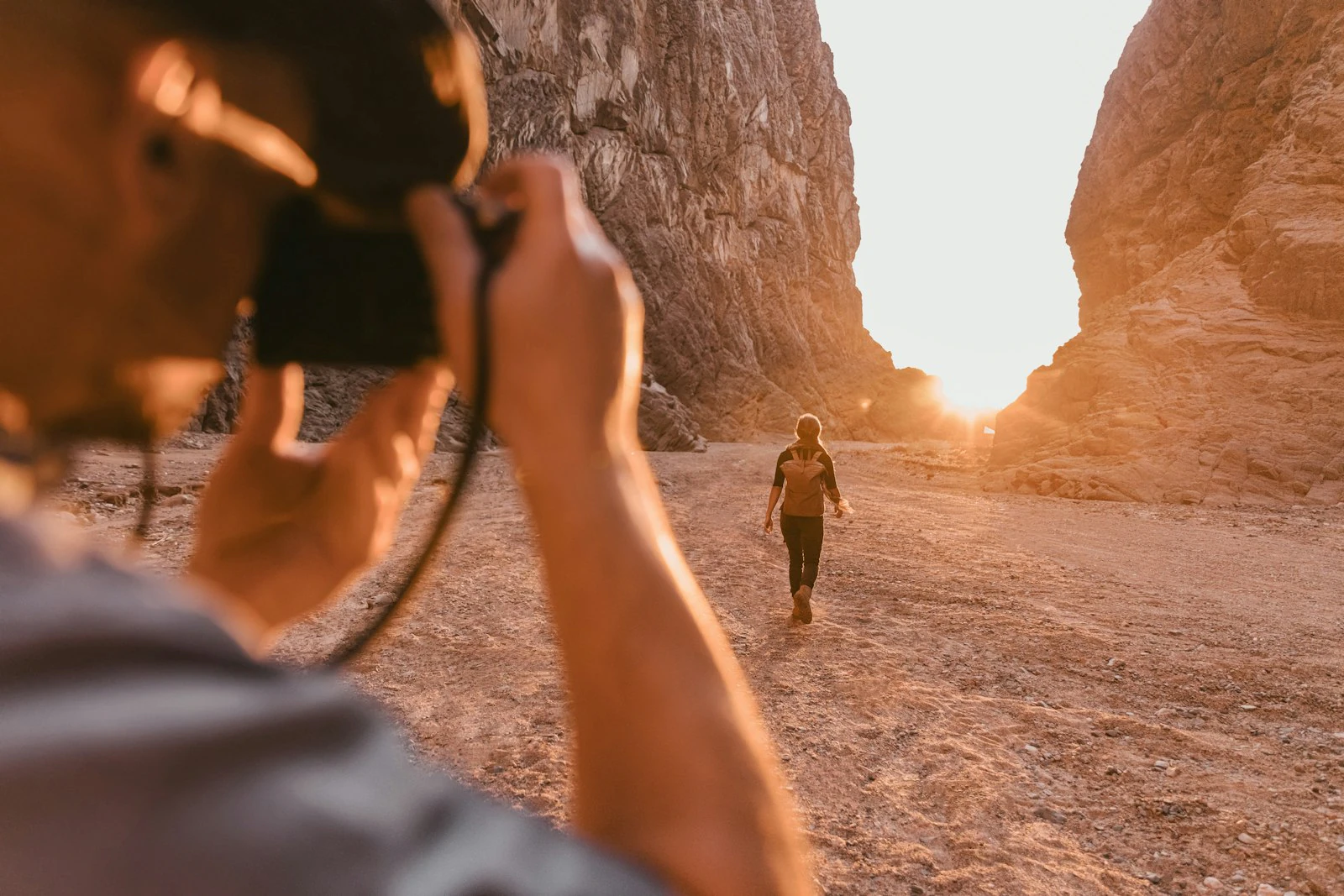
Then the boring practical layer that trips people up most: does the location need a permit or a fee for a paid shoot, and are there restrooms and somewhere to change nearby? Public parks, botanical gardens, and a lot of popular landmarks treat a commercial or paid session differently from a tourist with a phone, and the rules vary by city, so check locally before you commit rather than talking your way out of it in front of a client. Get the site manager's number if there is one. And always have a weather backup: an alternate covered spot, an alternate date, and a clear line with the client about who decides and when if the forecast turns.
The shoot isn't done when the shooting stops.
The last quarter of the checklist is the one tired photographers skip, and it's the one that protects the work and gets you paid the rest.
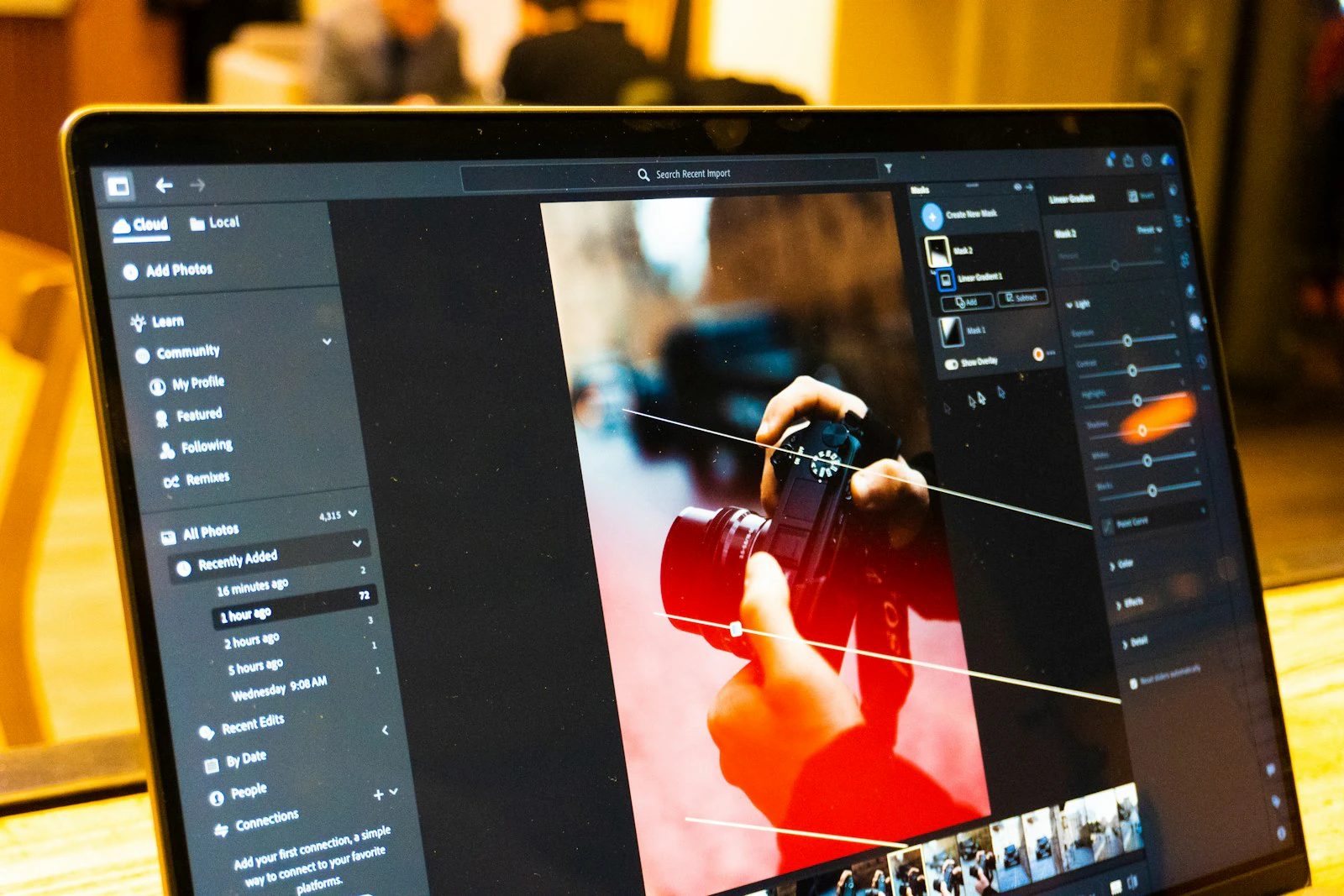
- Back up before you sleep. Pull the cards to your computer, then to a second place, an external drive and a cloud copy. One copy is not a backup. Do this the night of, while the day still exists in only one fragile location.
- Cull, then edit. Clear the obvious misses first, pick your selects, then commit to editing. A quick sneak-peek image or two, sent the next day, buys you patience on the full turnaround.
- Deliver against a timeline they already knew. The delivery window should have been set before the shoot, so the gallery landing on schedule feels like a promise kept, not a relief.
- Make the gallery do the selling. A clean, password-protected gallery where clients favorite images, download what they paid for, and order prints without you hand-selling each one turns delivery into follow-on revenue instead of just a file transfer.
That last point is the other place a booking-and-gallery platform quietly pays for itself: the same PicurPhoto setup that took the deposit also delivers the images, so the client books, pays, and gets their photos through one link with your name on it rather than a stitched-together chain of a scheduler, a payment app, and a separate gallery host. On the free plan you're capped at 10 galleries and 1GB, which a busy studio outgrows fast, so treat it as a place to start and price out the upgrade once the volume's real.
What should be on a photoshoot checklist?
Four things, not one. Gear with backups (two bodies, spare batteries and formatted cards, the right lenses, light and a reflector). Locked logistics (signed contract, deposit, confirmed time and place, reminders sent). Client prep (wardrobe guidance, grooming, eat and hydrate). And the handoff (back up the files immediately, cull, edit, deliver on a set timeline). Skipping any one of the four is where sessions go wrong.
What should I do the day before a photoshoot?
Charge every battery, format your memory cards, clean your lenses, and set your camera to sensible starting settings. Pack the bag fully so you're not hunting for a cable in the morning. Check the weather and your backup plan, reread the client's notes and shot requests, and send a final confirmation with the time, address, and parking. Then get a decent night's sleep; a groggy shooter misses moments.
What should a client wear and bring to a photoshoot?
Solid colors and soft neutral tones photograph best; avoid loud patterns, big logos, and neon. Pick the one hero outfit first and build around it, cap it at two or three looks, and try the whole outfit on ahead of time. Bring a small touch-up kit (brush, powder, comb), water, walkable shoes for outdoor sessions, and skip transitions glasses that darken in sunlight. Eat and hydrate before showing up.
How early should you arrive for a photoshoot?
As the photographer, get there 15 to 30 minutes ahead to scout the exact light, test your setup, and settle before the client arrives. Ask clients to arrive right on time, not early, so they're not standing around getting anxious while you set up. For sessions built around golden hour, work backward from when the good light actually starts at that location and season, and confirm that window with the client in advance.
How do you avoid no-shows and last-minute cancellations?
Take a deposit at booking and put a clear cancellation policy in the contract, so a no-show costs the client something and doesn't cost you the whole day. Then send automated reminders: a confirmation a few days out and a nudge the day before with address, parking, and what to bring. A client who's paid a deposit and been reminded twice rarely vanishes. Handling that by hand is where it breaks down, which is why a booking tool that sends the reminders for you earns its place.
Run the list, then run the shoot.
If the logistics half is the part that keeps slipping, spin up a free booking page, take a deposit, and let the reminders send themselves. See if it fits before you commit to anything.