
The camera was the easy part.
The moment you take money from a client, you're a business, whether you filed a single form or not. That's the part that trips people up. You can shoot a gorgeous wedding and still get burned by a couple who ghosts on the balance, a chargeback you can't fight, or a tax bill you didn't see coming because the income landed in your personal checking account. Starting a photography business isn't about buying a better lens. It's about building the boring machinery, legal setup, contracts, a way to get booked and paid, that lets you keep the money you earn and sleep at night. Here's how to stand that up without drowning in it.
Do this before you invoice anyone.
You can get most of this done in an afternoon for very little money. Skipping it is what turns a happy client into a personal liability.
- Pick a business structure. Most photographers start as a sole proprietorship because there's nothing to file and no cost. A single-member LLC costs more to set up (state filing fees run roughly $50 to $500 depending on where you live) but it separates your personal assets from the business, which matters the first time a client threatens to sue over missed photos. You can start as a sole proprietor and form an LLC later once the work is steady.
- Name it and register. If you trade under anything other than your own legal name, most states want a DBA ("doing business as") filed with the county or state. Search your state's business database first so you're not stepping on a name someone already uses.
- Get an EIN. It's free from the IRS, takes about ten minutes online, and lets you open a business bank account and file taxes without handing your Social Security number to every client.
- Check local licensing. Plenty of cities and counties require a general business license even for a home-based studio. Requirements vary wildly by location, so look up your specific city and county rather than trusting a blog that doesn't know where you live.
- Sort out sales tax. In many states, prints, albums, and sometimes digital files are taxable, and you need a seller's permit to collect it. This one catches people a year in, so figure out your state's rule before you sell a single print.
- Carry insurance. General liability covers you if a guest trips over your light stand at a reception. Equipment insurance covers your gear. Many venues won't let you shoot without proof of liability coverage, and it typically runs a few hundred dollars a year. Don't bundle it into your homeowner's policy and hope.
- Use a real contract, every time. A signed contract does more to protect you than anything else on this list: it locks in the date, the deliverables, the payment schedule, and what happens if someone cancels. No handshake weddings.
Nobody hires you for your business license. But the license is what keeps one bad client from becoming your problem instead of theirs.
Specialize early, even if it feels limiting.
The instinct starting out is to say yes to everything: weddings, newborns, real estate, the occasional band promo. It feels safer. It's actually harder, because you're marketing to everyone and memorable to no one. A photographer known for moody, documentary-style weddings gets referred as exactly that. A generalist gets referred as "someone who does photos." Niche down to one or two related things you genuinely want to shoot, wedding and engagement, or family and newborn, or headshots and personal branding, and build the portfolio, pricing, and marketing around that. You can always widen later once the referrals are flowing.
If you don't have paid work to show yet, that's normal. Shoot styled sessions, trade a few free shoots with friends who look like your ideal client, and fill a portfolio that looks like the work you want to be hired for, not the work you happened to get.
What you actually need to start (and what can wait).
You need less than the internet tells you. Clients hire the eye, not the badge on the camera. Buy the essentials, rent the rest until the bookings justify owning it.
One good body, one good lens
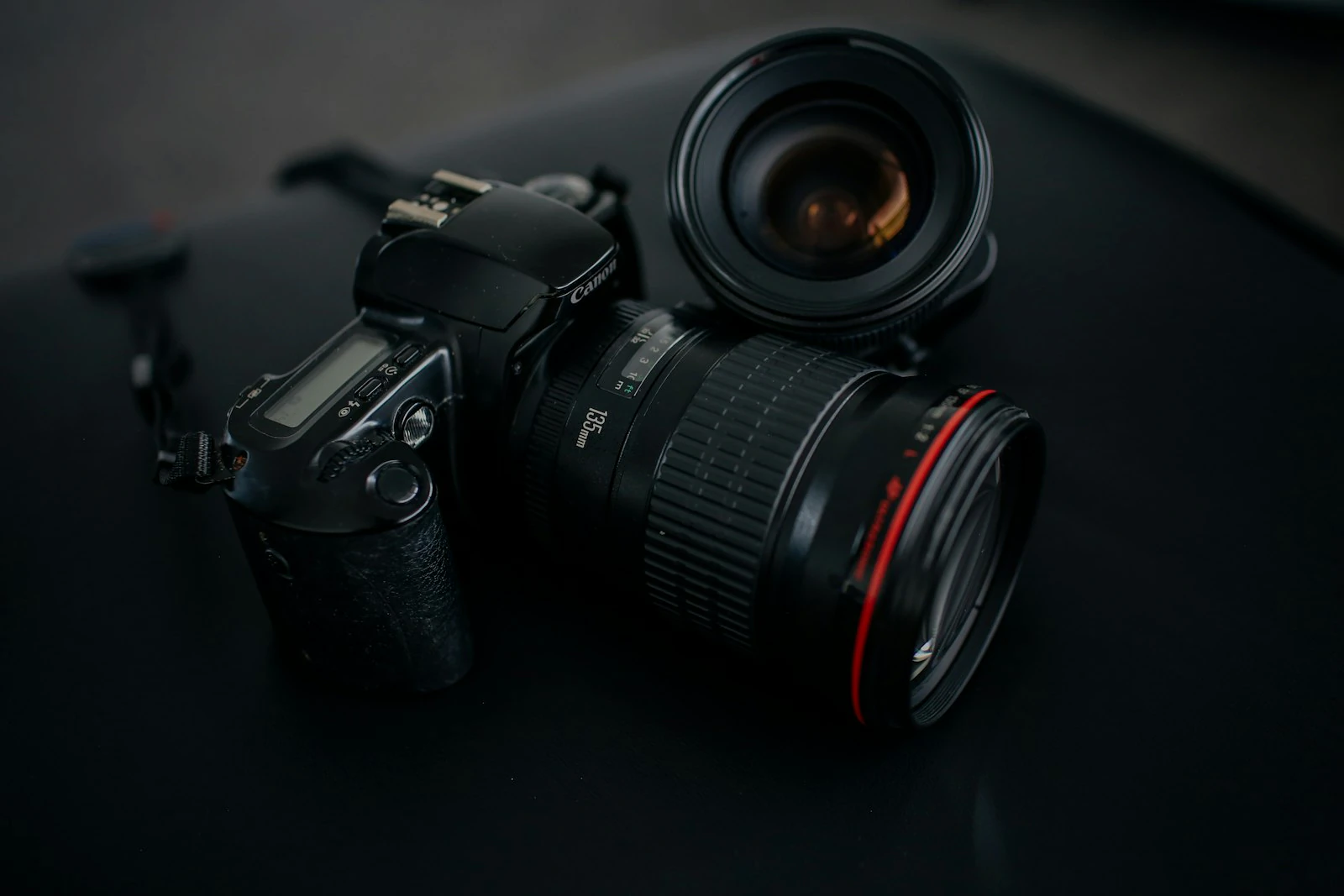
A capable used camera body (roughly $600 to $1,500) and one versatile lens beat a bag of cheap glass. For portraits and weddings, a fast 50mm or a 35mm gets you a long way before you need anything exotic. Buy used from a reputable reseller and put the savings toward a backup body.
Editing software
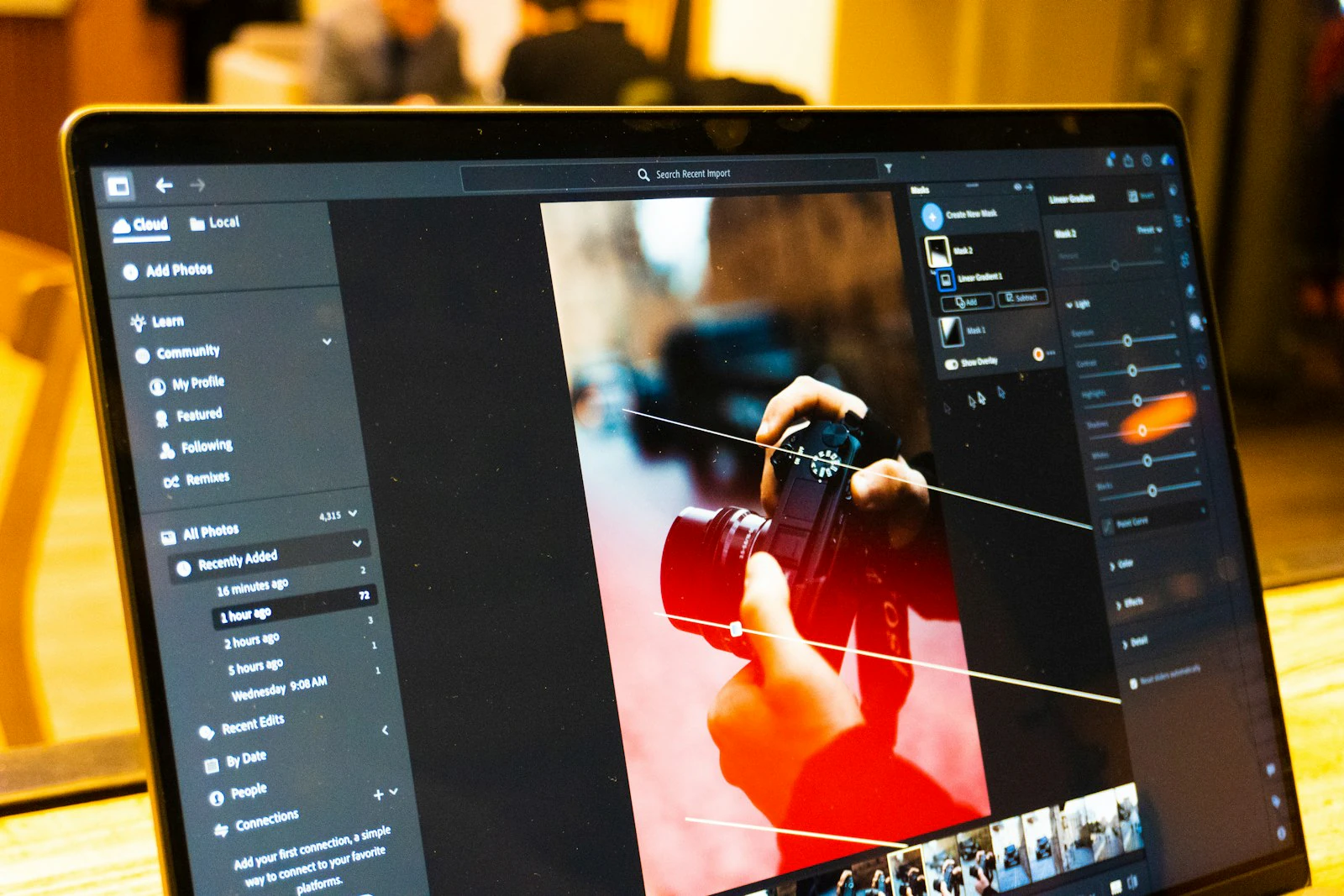
Adobe Lightroom, the standard for most working shooters, runs about $10 to $23 a month depending on the plan. Your edit is a bigger part of your look than most gear upgrades, so this is money well spent from day one.
A real backup habit
Losing a wedding gallery ends a business. Shoot to two card slots when your camera has them, offload to two drives, and keep one copy off-site or in the cloud. Budget $100 to $300 for drives up front. This is not the place to cut corners.
Light you can control
One off-camera flash or a couple of reflectors covers most portrait situations early on. Full studio strobes and modifiers can wait until you're shooting enough indoor work to need them. Rent for the one big job before you buy for the imaginary ten.
Charge for the business, not just the shoot.
The single most common mistake new photographers make is pricing the two hours behind the camera and forgetting everything else. A typical portrait session is maybe two hours of shooting and eight to ten hours of culling, editing, emailing, and delivery, plus the cost of gear, software, insurance, and taxes. Price the whole cost of doing business, then the profit on top, or you'll work yourself exhausted and still come up short.
For a reality check on the market: ZipRecruiter has pegged the average freelance photographer around $62 an hour, and The Knot's 2025 survey put the average spend on wedding photography near $2,900. Those are broad averages, not your price. Your rate depends on your market, your niche, and your portfolio. But they're a useful floor to argue yourself up from, not down to. Build two or three clear packages instead of a confusing menu, and take a nonrefundable deposit to hold every date so a cancellation doesn't cost you the booking you turned away.
The plumbing between "I love your work" and "you're paid."
You can be the best shooter in town and still lose the client in the gap between the inquiry and the booking. Make that path short and make it feel professional.
Start with the basics that cost little: a simple portfolio website on your own domain, a Google Business Profile so you show up in local searches, and one social platform you'll actually keep updated (Instagram still does the heavy lifting for most portrait and wedding shooters). Those get you found. What loses people is the next part, the back-and-forth to nail down a date, the awkward "so how do you want to pay the deposit," the wedding gallery buried in a WeTransfer link that expires.
This is where the boring machinery earns its keep. You want a client to see your work, pick a session, put down a deposit, sign the contract, and later get their gallery, without you personally quarterbacking every email. Cobbling that together from a scheduling app, a payment link, and a separate gallery host works, but it's three logins and three bills, and the seams show to the client.
PicurPhoto is one tool built to close that specific gap for solo and small-studio photographers: a booking page where clients self-book from your real availability, deposits and payments through your own Stripe account (so your payouts, refunds, and payment plans stay under your control instead of routed through a middleman, and PicurPhoto charges one flat subscription rather than skimming a cut of every booking you take), and password-protected client galleries that can upsell prints and extra files, all under one link. Its free plan is genuinely free, which is a fair way to test whether that flow fits how you work. Be honest with yourself about the caps, though: the free tier is ten galleries, 1GB of storage, and a single user, which a busy studio outgrows fast. The Pro plan at $19 a month lifts those caps and adds unlimited galleries, more storage, up to five team members, a custom domain, and white-label galleries with the PicurPhoto branding removed, and is where it stops feeling like a starter setup. It's a newer product than the veteran gallery hosts, so if you already run a deep studio CRM you love, keep it. If you're standing all this up from scratch and don't want three separate tools, it's worth a look.
What it actually costs to open the doors.
Ignore the guides that quote either $200 or $20,000. A realistic lean start, buying used and renting what you can, tends to land in the low four figures, most of it gear. Here's a representative breakdown in USD:
| Line item | Typical cost (USD) | Note |
|---|---|---|
| Camera body (used) | $600 to $1,500 | Buy from a reputable reseller with a warranty |
| One versatile lens | $200 to $1,200 | One good lens over three cheap ones |
| Backup drives / storage | $100 to $300 | Non-negotiable; two copies minimum |
| Editing software | $10 to $23 / mo | Lightroom or equivalent |
| LLC / registration | $0 to $500 | $0 as a sole proprietor; state fees vary for an LLC |
| Liability insurance | $200 to $500 / yr | Often required by venues |
| Booking, payments, galleries | $0 to about $20 / mo | Real free tier; a flat paid plan, never a cut of your sales |
| Domain + website | $12 to $20 / yr domain | Portfolio site cost varies by builder |
The takeaway: the money that scares people is mostly the camera, and you can buy that used and grow into the rest. The recurring software and platform costs are small if you start on free tiers and upgrade only when the bookings pay for it.
Do you need a license to start a photography business?
Usually yes, at the local level. There's no national "photography license," but most cities and counties require a general business license, even for a home-based operation, and many states require a seller's permit to collect sales tax on prints and products. Requirements vary a lot by location, so check your specific city, county, and state rather than assuming.
Do you need an LLC to be a photographer?
No, you can operate legally as a sole proprietor with no paperwork. An LLC is optional, and its main benefit is separating your personal assets from business liability if you're ever sued. Many photographers start as sole proprietors and form an LLC once income is steady or the work gets higher-risk, like weddings. A good contract and liability insurance protect you regardless of structure.
How much does it cost to start a photography business?
A lean, legitimate start typically runs somewhere in the low four figures in USD, and most of that is a used camera body and one lens. Registration can be $0 as a sole proprietor, insurance is a few hundred dollars a year, and booking, payment, and gallery tools have real free tiers to start on. You do not need $20,000 of gear to take your first paying client.
Is a photography business profitable?
It can be, but the profit comes from pricing the whole cost of doing business, not just shoot time, and from booking consistently. The photographers who struggle usually undercharge because they only counted the hours behind the camera. Price for editing, gear, software, insurance, and taxes plus profit, book steadily, and it works. Treat it as a hobby that occasionally gets paid, and it won't.
Do you need a degree or certification to be a professional photographer?
No. Clients hire based on your portfolio and how easy you are to work with, not a diploma. A degree or workshop can shorten the learning curve, but nobody booking a family session asks to see your credentials. Put the money into a portfolio that looks like the work you want to be hired for instead.
How do you get your first paying clients?
Start with the people around you: friends and family who fit your ideal client, styled sessions you organize yourself, and a couple of trades to build a portfolio. From there, a Google Business Profile, one active social account, and asking every happy client for a referral do most of the work. Make booking and paying you effortless so an interested inquiry doesn't cool off waiting on a reply.
Starting a photography business is mostly about removing friction: the friction that stops a client from booking, the friction that loses you money you already earned, and the friction of running admin instead of shooting. Get the legal foundation down, price for the whole business, and make the path from "I love your work" to "I've paid and I've got my photos" as short as you can. Do that and the shooting, the part you actually got into this for, becomes the biggest slice of your week instead of the smallest.
Set up the booking side before your first inquiry.
You can spin up a free booking page, connect your own Stripe, and see whether one link for booking, payments, and galleries fits how you work, no commitment, no card upfront.