
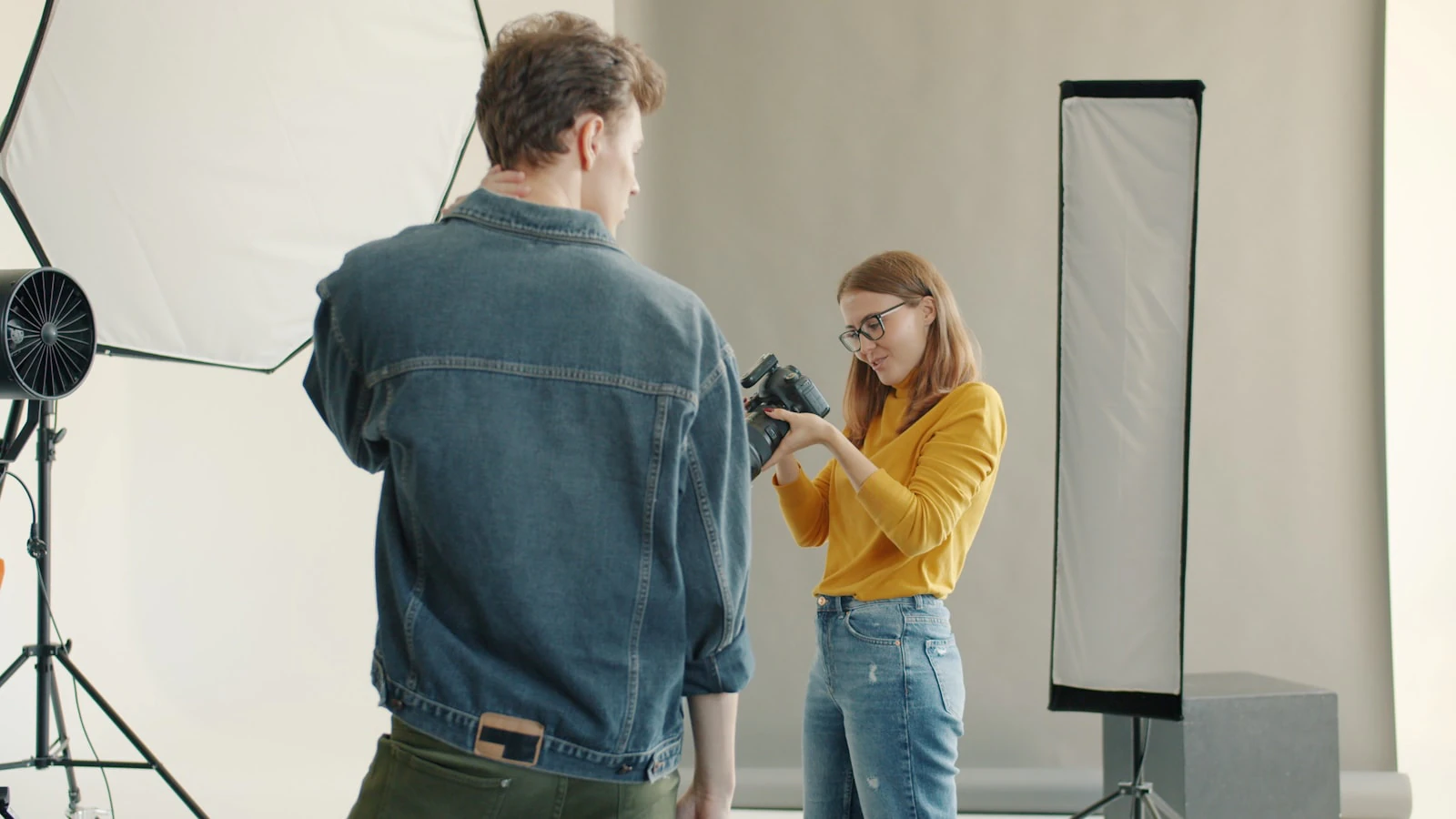
Most people freeze the second you raise the camera, and that's fixable.
The arms lock to the sides, the shoulders creep up, the smile turns into a held breath, and then you get the question every photographer hears: "what do I do with my hands?" Posing people well isn't about memorizing a hundred named poses. It's two jobs running at once. You fix the body mechanically, a handful of small adjustments that read as flattering on camera, and you keep the person relaxed enough to forget you're pointing a lens at them. Get both going and the poses take care of themselves. This is the head-to-toe framework I'd hand a newer shooter, plus the directing tricks that actually get a real expression out of someone who has never modeled a day in their life.
Angle beats straight-on
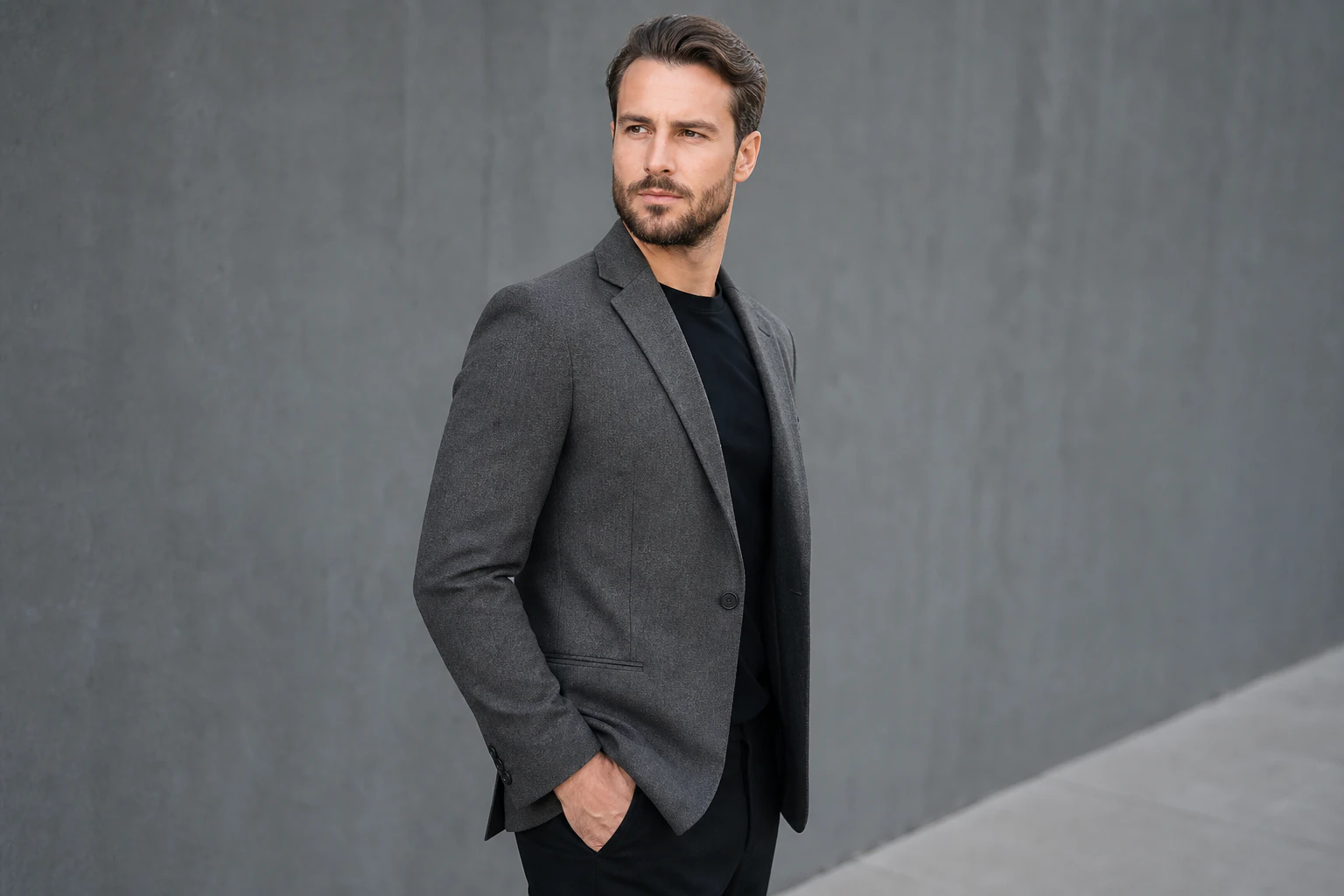
A body squared to the camera reads flat and wide. Turn the person 30 to 45 degrees off the lens and you get shape, depth, and a slimmer silhouette for free. This one move fixes more bad frames than anything else on the list. Almost nobody looks their best pointed dead at the sensor.
Give the hands a job
Idle hands are where amateurs get exposed. A hand needs somewhere to be: a pocket, a hip, a lapel, holding the other arm, tucking hair. Turn the blade of the hand toward the camera instead of the flat back of it, and never let a hand press or squash against the body where it flattens and grabs attention.
Keep them moving
A held pose stiffens after about three seconds. Walk them toward you, have them look away and back, tell them to shift their weight, ask a question mid-frame. Motion loosens the shoulders and buys you the half-second of a genuine expression between the deliberate poses. Static posing is where the tension lives.
Direct, don't demand
Nobody relaxes when you bark "pose." Give one specific instruction at a time and say why it helps. "Drop your chin a touch, it sharpens your jaw" lands. "Just be natural" does the opposite, it makes people more aware of how unnatural they feel. You're a coach here, not a drill sergeant.
Work down the frame in the same order every time.
Build a routine you run on autopilot so your attention is free for the person, not the checklist. Start at the feet and finish at the eyes.
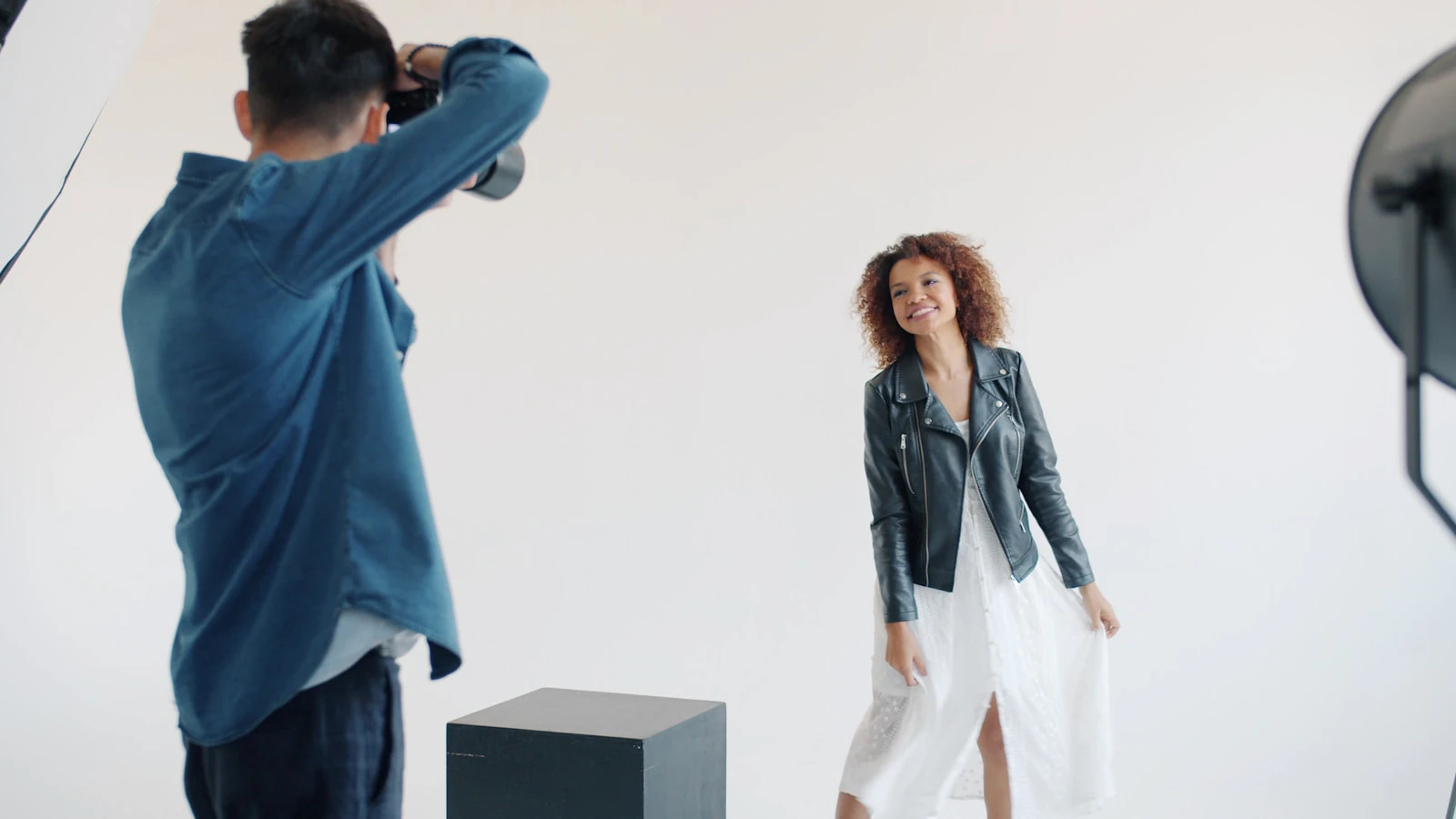
- Weight on the back foot. Have them step the near foot slightly forward and shift their weight onto the rear leg. It pops the front hip, breaks the flat-footed stance, and reads as relaxed instead of standing at attention. For a standing portrait this single shift does most of the work.
- Turn the shoulders off-square. With the body already angled, keep both shoulders in the frame but tilted, not parallel to the camera back. Squared shoulders widen everyone. Angled shoulders create the taper that flatters men (broad down to narrow) and women (the gentle S-curve) alike.
- Pull the arms off the body. Any arm pressed to the torso flattens and looks bigger than it is. Leave a visible gap, enough to pass a hand through, by putting a hand on the hip or in a pocket. Space between the arm and the waist is what defines the shape.
- Chin forward and slightly down. The counterintuitive one. Have them push the forehead toward you and drop the chin a hair, like a turtle easing out of its shell. It stretches the jawline, kills a double chin, and defines the cheekbones. A raised chin does the opposite and widens the face.
- Lengthen the neck, relax the shoulders. Cue "shoulders back, then let them drop." People roll their shoulders forward when they're nervous, which shortens the neck and rounds the posture. Reset it, then soften it so it doesn't look military.
- Set the eye line last. Give the eyes a specific target instead of "look up." Off toward the horizon reads thoughtful, right down your lens reads direct and confident. Controlling where the eyes go controls the whole mood of the frame.
Where you stand changes the whole read.
Your height matters as much as theirs. Shooting from slightly above eye level is the safe, flattering default: it opens the eyes, thins the face, and de-emphasizes the body below. Drop to below eye level and the subject becomes dominant and imposing, which is great for a powerful headshot and terrible for a nervous client who'll suddenly look looming and top-heavy. Watch the near-far distortion too. Get too close with a wide lens and whatever's nearest the camera, usually a hand or a knee, balloons out of proportion, the effect people mean when they talk about a foreshortened limb or a head that looks too big for the body. An 85mm on full frame, backed up a step, keeps everything in natural proportion. When in doubt, more distance and a longer lens.
You're not posing a body, you're relaxing a person until the body poses itself.
The hard part isn't the pose, it's the person who's never done this.
Most of your clients aren't models. They're nervous, they don't know their angles, and they'll mirror whatever energy you bring. Half of good posing is just direction that lands.
Ban the vague stuff. "Relax," "act natural," and "just be yourself" all backfire, because they hand the person a job with no instructions and they get more self-conscious trying to solve it. Replace every vague cue with a physical one they can actually do: "roll your weight to the back foot," "look at my shoulder, now back to me," "take a slow breath and let it out." Give the reason when you can, because a client who understands why the chin drops trusts you and stops fighting the direction.
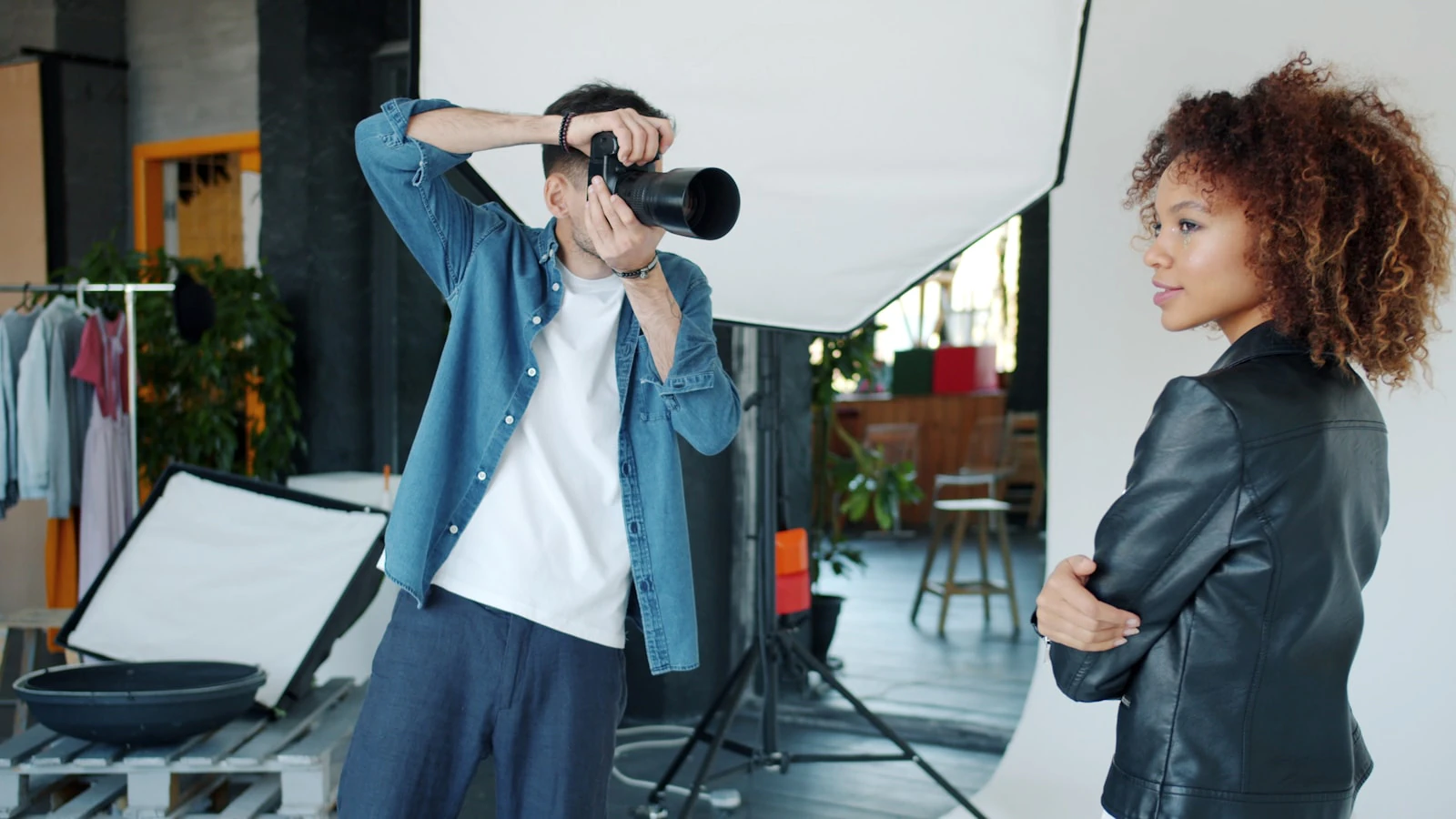
For the smile, stop asking for one. The command smile is the stiff one. Try the count instead: have them close their eyes, take a breath, and open on three straight into you. Nine times out of ten you get a real, slightly caught expression, and often a genuine laugh at how silly it feels, which is the frame you actually want. Keep talking between shots. Ask about the dog, the trip, the kids, anything that puts life back in the eyes, because a dead stare is what you get when the mouth smiles and nothing above it does.
Show them the back of the camera early. One good frame in the first few minutes, turned around so they can see it, changes everything: proof they look good on your screen kills the anxiety faster than any pep talk. If you shoot tethered, even better. And keep your own face doing what you want theirs to do, because people mirror you without realizing it. Smile behind the camera and you'll get more back.
More bodies, same principles plus geometry.
Everything above still applies to each person, you're just managing angles and connection across several of them. Think in triangles: stagger heads at different heights instead of a flat row of faces, and cluster the group into a shape that leads the eye rather than a police lineup. Put the tallest people toward the center or back, tuck shorter ones and kids in front, and angle everyone slightly inward so shoulders overlap and the group reads as one unit instead of separate cutouts.
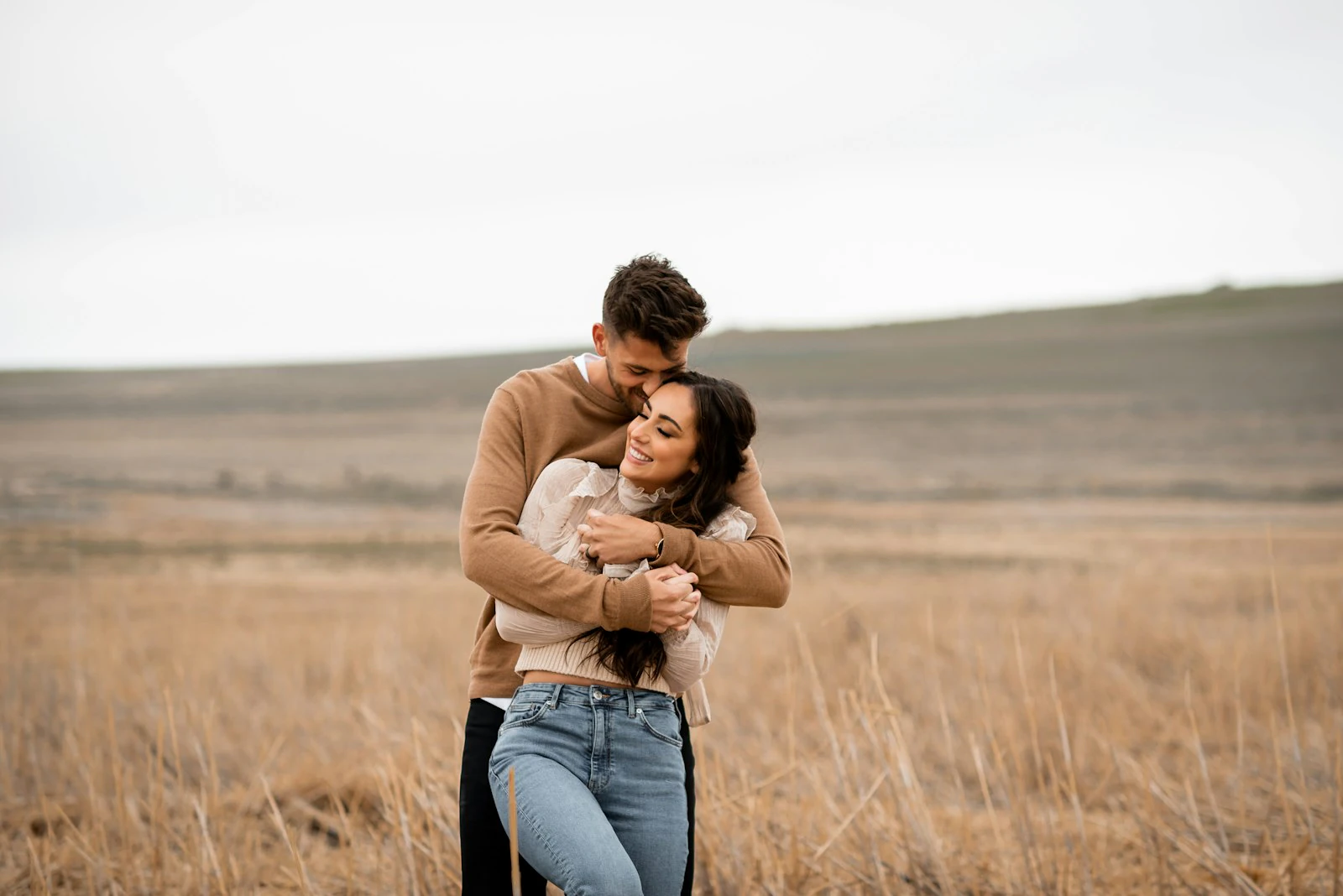
Focus is the technical trap with groups. Keep every face at roughly the same distance from the camera, the same focal plane, or the ones set further back go soft when you're shooting wide open. If you can't line them up, stop down to f/5.6 or f/8 and buy yourself the depth of field. For couples and families, direction shifts from posing to prompting connection: "pull each other in close," "whisper something," "walk toward me holding hands," "everyone look at grandma." The real moments live in the interaction, not the arrangement, so set the frame, then give them something to do inside it and shoot through the whole thing.
The double chin
Forehead toward the camera, chin down and slightly out. If they're heavier or self-conscious about it, shoot from a hair above eye level so the jawline separates cleanly from the neck. Never shoot up at a chin.
The stiff, glued arms
Hands to pockets or hips to create the gap, or hand them a prop: a coffee, a bag, a jacket over the shoulder. A prop gives the hands a purpose and the mind something to do other than panic.
The frozen face
Keep them moving and keep talking. Walk-and-shoot, the eyes-closed count, or a genuinely funny aside. Motion and conversation loosen the face that a held pose locks up. Never let the camera fall silent.
The one tall person
The classic mismatched-group problem. Seat them, have them lean against something, or stagger the group up a step or a slope so heads land closer together. A slight forward lean from the ankles also brings a tall subject's shoulders in toward the group.
The comfort you built shouldn't fall apart at delivery.
Here's the part posing tutorials skip. You spent the whole session getting someone to trust you and look great, and then a lot of that goodwill evaporates in a clunky handoff: a file link that expires before they download it, a payment chased over text, a client who never sees the frames big enough to fall in love with them and order prints. The shoot experience and the delivery experience are the same experience to the client, and the poses you fought for only pay off if the person actually gets to relive them.
That's the seam where a tool like PicurPhoto earns a mention: it bundles the booking page, payment, and a password-protected client gallery under one link, so the relaxed feeling from the session carries straight through to a clean gallery where they can favorite the keepers and order prints without you hand-selling. Its Free Forever plan runs a working booking page and up to 10 galleries at no monthly cost, with a 1GB storage cap, so a busy studio outgrows it, and the custom domain, white-label, and PicurPhoto-branding removal live on the $19 per month Pro plan. And because PicurPhoto is a flat subscription, it never takes a cut of your bookings, so what a client pays is what you keep. Payments run through your own Stripe account, so payouts and refunds stay yours.
How do you pose someone who isn't a model?
Give physical instructions, not vibes. "Weight on your back foot, hand in your pocket, chin toward me" works because it's a series of small doable actions. "Look natural" doesn't, because it's a job with no steps. Keep them moving, show them a good frame early to kill the nerves, and match the energy you want back with your own face and voice.
What's the most flattering angle for photos?
Turn the body 30 to 45 degrees off the camera rather than facing it straight on, put the weight on the back foot, and shoot from slightly above eye level. That combination adds shape, slims the silhouette, and opens the eyes for almost everyone. Straight-on and shot from below is the least flattering default.
What do you do with your hands in photos?
Give them a destination: a pocket, a hip, the opposite arm, a lapel, or a prop. Turn the thin edge of the hand toward the camera instead of the flat back, keep the fingers relaxed rather than splayed or clenched, and never let a hand mash flat against the body where it looks bigger and pulls the eye.
How do you make someone smile naturally?
Stop asking for a smile directly, since the command version is the stiff one. Have them close their eyes, breathe, and open on a count of three. Talk between frames about something they actually care about, and shoot through the laugh that comes after a slightly awkward prompt. The real expression lives in the eyes, not the mouth.
How do you pose a group of people?
Stagger the heads at different heights, cluster the group into triangles instead of a straight row, and angle everyone slightly inward so they overlap and read as one unit. Keep all the faces on roughly the same focal plane so nobody goes soft, or stop down to f/5.6 to f/8 for the depth. Then prompt interaction to get real expressions.
Nail the shoot, then don't fumble the handoff.
Better posing gets you photos clients love. A clean way to book, get paid, and deliver a gallery keeps that feeling intact all the way to the print order. Set up a free booking page and gallery and see if it fits how you work.